The Tarot For Writing Project
The Tarot For Writing Project is an online tool that teaches writing and symbolism through analogy using fairy tales, myths, classic literature, philosophy, film, and cartoons.
It’s a comprehensive system designed to help people deepen their writing, both in practice and artistically, because it makes you think holistically. As an art editor, I’m always looking for ways to encourage writers to dig into their text and make sure that they sculpt their ideas with the care and precision required to make a complete work of art. Getting published is tough, but the one absolute sure way to elevate your manuscript above the slush pile is by making it good.
The Tarot because it aims to represent the totality of the symbolic world. Its archetypes and objects achieve a primal depth. At its ethereal center, it is for those “striving to understand the hidden forces of Nature and Man.” (The Library of Esoterica) But the Tarot originally evolved from decks of playing cards. In that spirit, I have created the Tarot For Writing Project.
The Tarot is a (nearly) complete set of narrative forms and characters. As such, it becomes a game of archetypes and symbols – a useful tool, or a kind of machine – for generating endless artistic inspiration.
I use mainly fairy tales and myths because they are portals passed down to us from our literary foremothers. These stories present us with symbolic riddles and it is a most delicious joy to unravel their meanings. I like their themes of instinct and morality. I like how they ask you to think about what it means to grow up, or how a person should be. And I deeply admire their elegant simplicity. Inside each one of these tales is a galaxy of meaning, of interpretation. They are mutable and elastic, meant to be told and retold, and I like how each retelling adds to the sea of their transformations. This is all so true of the Tarot as well.
I use cartoons because they are readily accessible and often already, at least, partially digested.
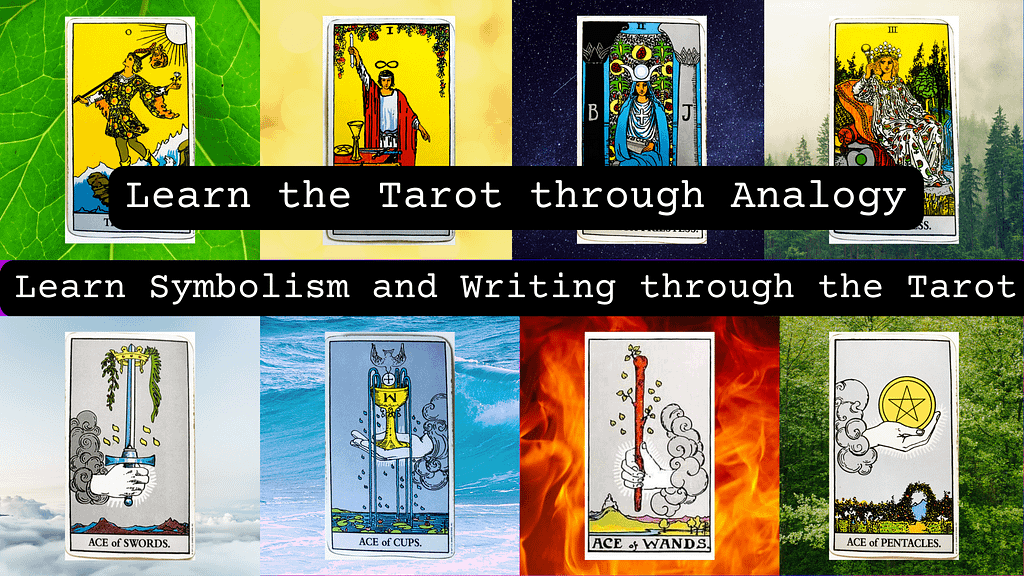
Here, in the Tarot For Writing Project, I relate each card in the Rider-Waite-Smith deck and its symbolism with a variety of characters and plots that I think fulfill aspects of their roles and mirror their respective meanings.
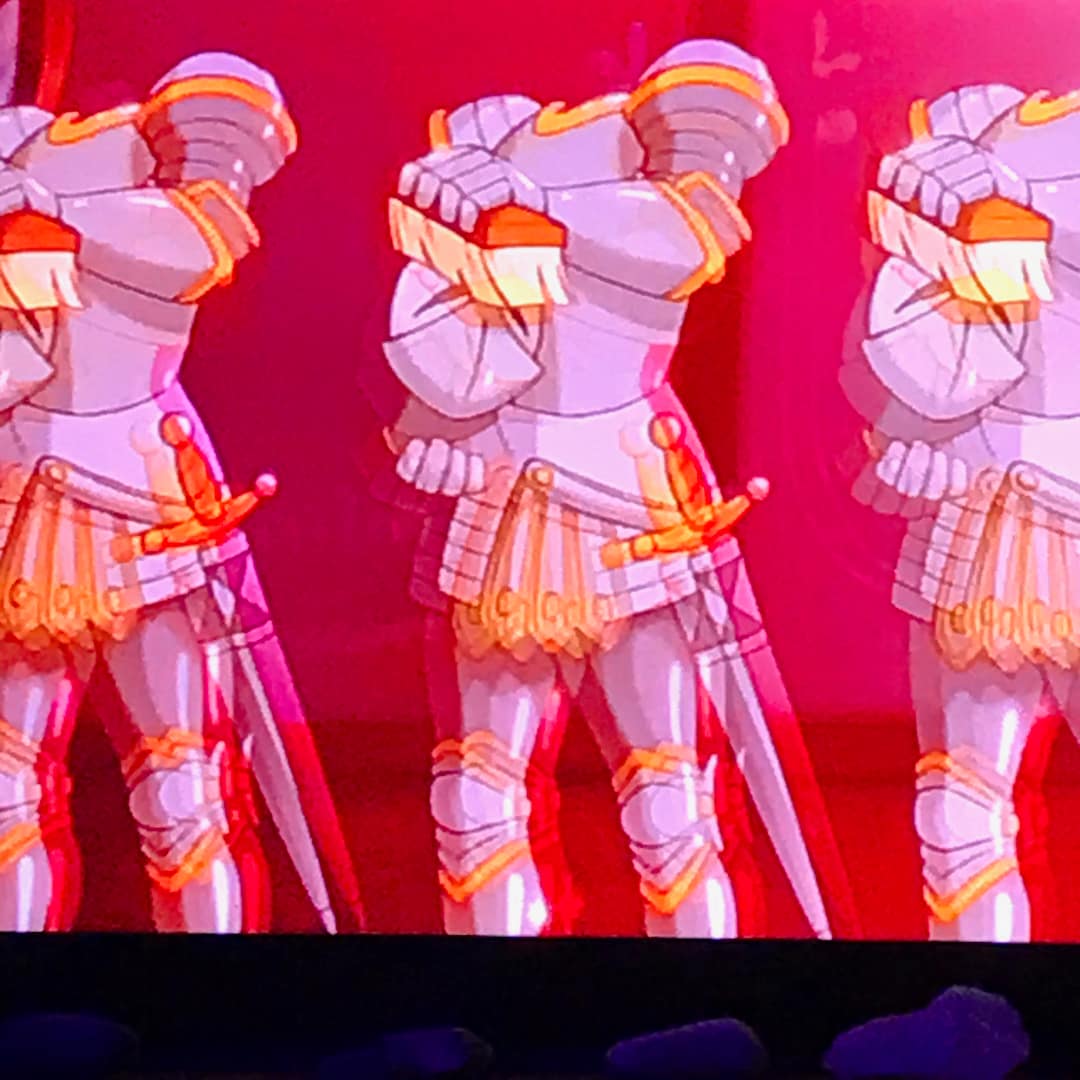
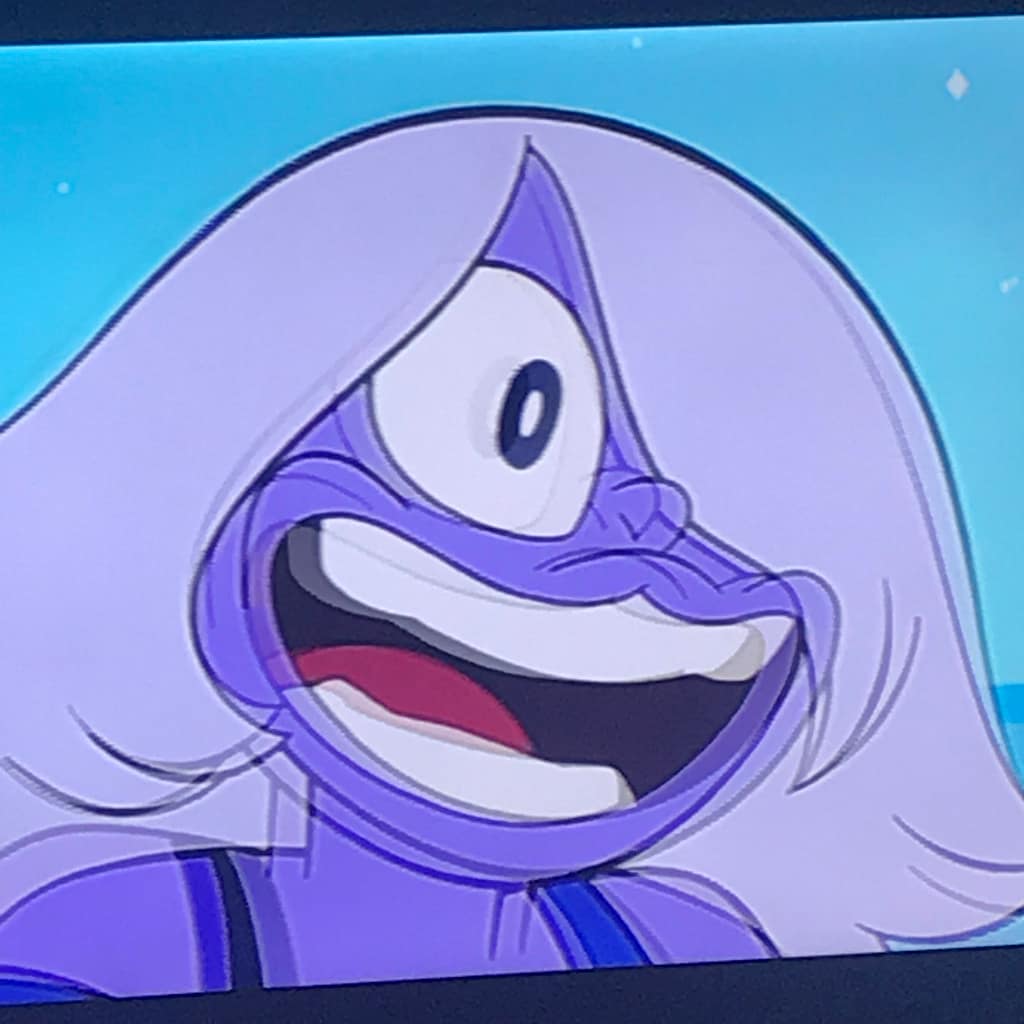
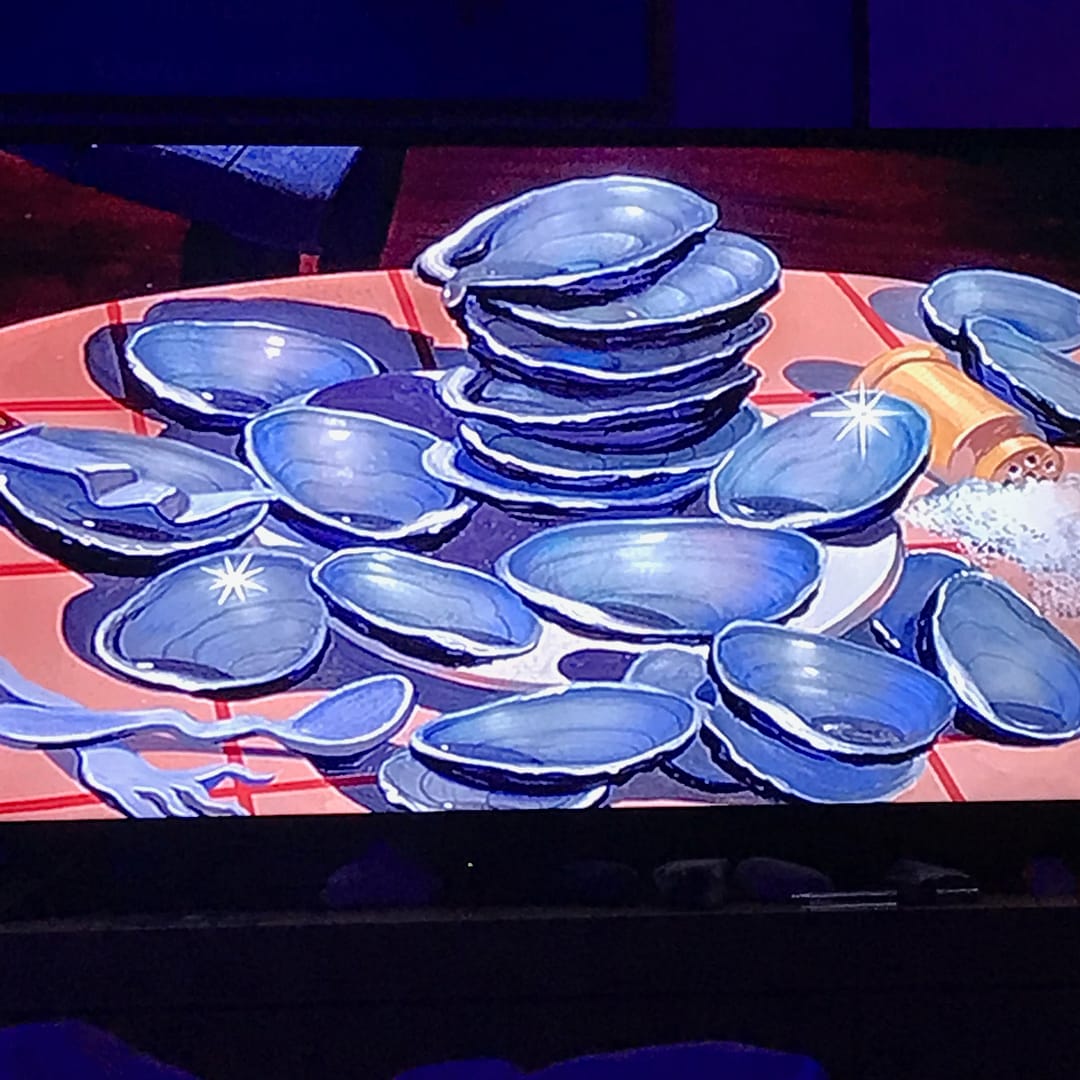
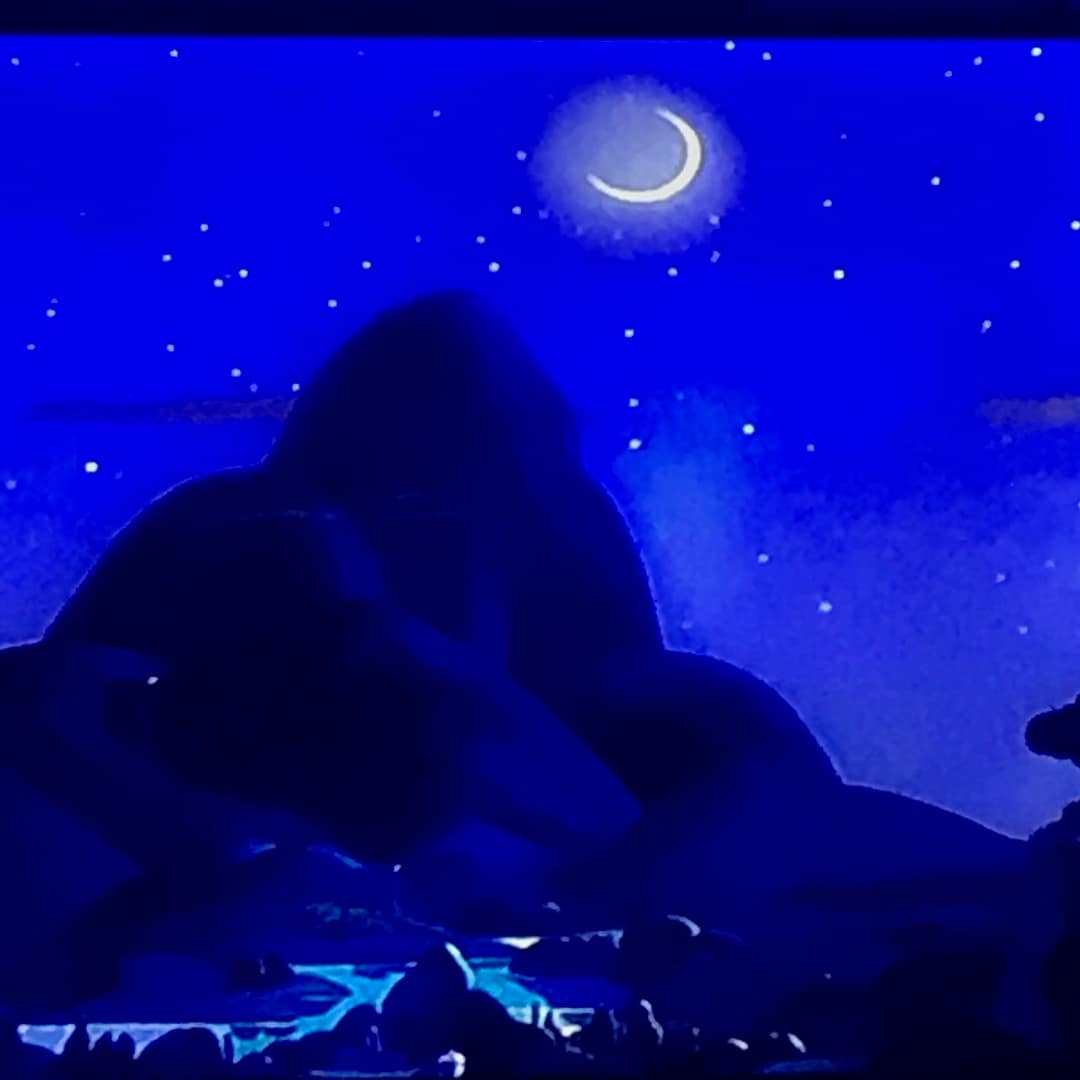
Symbolism adds depth to whatever it touches.
Symbols are like breadcrumbs to the soul. They help us piece together who we are and figure out what we want. They come to us in dreams, in ideas, through art and film, religion and advertisements. They are the building blocks of all stories. Wielded correctly, they transport the reader, they inspire the reader to relate, think, and make their own art. (The greatest compliment of them all.)
The Tarot For Writing Project was created to teach both writing and the Tarot through the latter’s system of archetypes and symbols. Learning to read the cards can and will reveal portals into your writing. For each card, there will be writing prompts and I’ll show you how to incorporate the card’s symbolic essence into both your craft and content.
Follow me on social for ways in which to read the cards, how any combination of them can be used to enhance your writing practice.
Good writing considers the symbolism inside the story’s objects, characters, and plots.
For our purposes, by symbol I mean, an object, animal, or archetype that is used to represent something else. The Tarot – meaning its archetypes and symbols – is like a deck of Plato’s forms, their depictions and descriptions of abstract concepts are eternal. By forms I mean: they do not change, despite their endless manifestations.
Carl Jung describes archetypes as universal symbols, that they’re “mythological associations, the motifs and images that can spring up anew anytime anywhere, independently of historical tradition or migration.” Meaning, we encounter archetpyes over and over again no matter what we do, no matter where we are. For Jung, the combination of these great mythic structures were reflective of the whole of the psyche, just as Greek mythology projects awareness of the archetypal patterns that play out in human life onto their gods.
Symbols are multi-sided. Though sometimes culturally specific, they cannot and should not be constrained, that’s why there isn’t a pure definition of a symbol. “A symbol mysteriously unites disparities… A vital symbol still remains partially unknown, compels our attention and unfolds new meanings and manifestations over time.” (BoS)
A symbol is always evolving.
“A literary symbol contains within itself a multiplicity of meanings, and can therefore be employed to suggest either a complex of concordant ideas or a fundamental harmony beneath apparent discords. Beyond this, the whole is greater than the sum of its part. The several meanings expressed by the symbol, when these meanings are analyzed in ordinary language, cannot equal the total significance of the symbol. For an essential aspect of symbolism is the interaction between elements of form and content to convey a particular emotional effect that no other combination of sounds and meanings can fully encompass.”
Barbara Seward. The Symbolic Rose.
This is my point of the Tarot as well. It’s the interactions, the play between the cards, the stories they tell when laid together. How they produce an emotional effect that no other combination of sounds and meanings can fully encompass.
Each Tarot card is riddled with symbols. A collection of symbols is a story. To study the Tarot is to study the relationships between symbols. This is how you read the cards, you interpret the symbols before you as a narrative.
Each card has on it one of the Tarot’s four elements, an archetype, or a plotline.
Each card in the Tarot relies on its brothers and sisters for a sense of wholeness.
This is why every living person is the whole deck, not just one of the archetypes.
But characters in stories aren’t always so dynamic. Often, they exist merely as an archetype.
This is why the Tarot for Writing Project prefers the two-dimensional characters in children’s narratives: they’re less real and more archetypal.
The Tarot is comprised of 78 cards broken down into four categories.
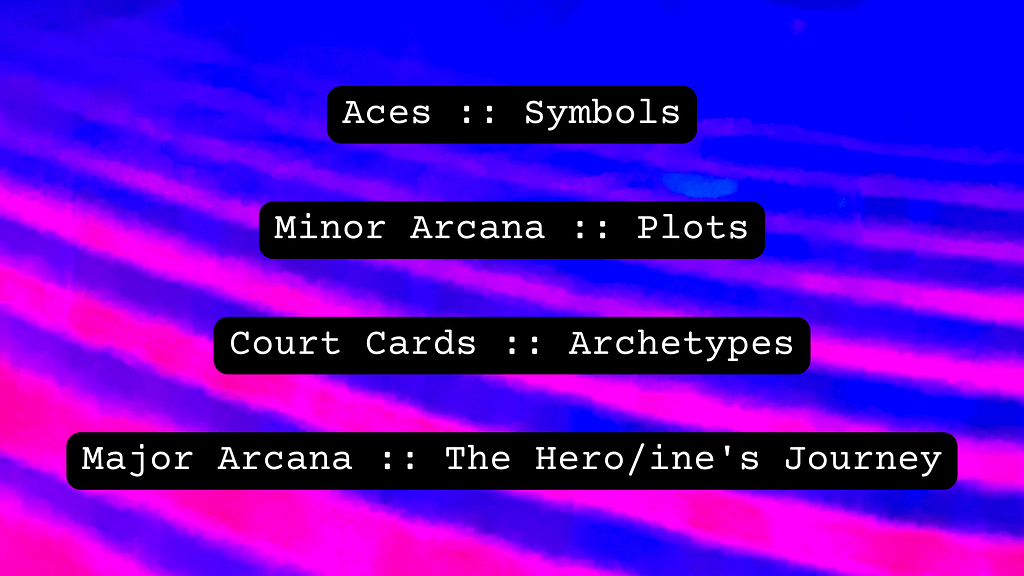
Journaling with a Tarot deck is a great way to mirror, map, and find your innermost self.
This process can absolutely also be done with your narrative too. Playing with the Tarot can function as a kind of experiment, guiding where your story could go, shedding some light on your characters’ underlying motives, or add some depth and order to your scenes.
I will only be deconstructing the Rider-Waite-Smith deck. For me, it’s the ur-deck. Its images are both iconic and systemically symbolic. They recall medieval times and the age of chivalry, fairy tales, Arthurian myths, and Biblical references. They remind me of the magical time between the complete shift from Paganism to Christianity.
Some believe the cards have divine properties, that they can predict the future, or even change it. Some link them to the Devil himself and his black arts. It’s not uncommon for people to frown or quite literally step back when they see a deck. As fascinating as divination and the occult can be, like I said earlier, the Tarot For Writing Project will be looking at the cards as though they are a game designed to help writers write better stories.
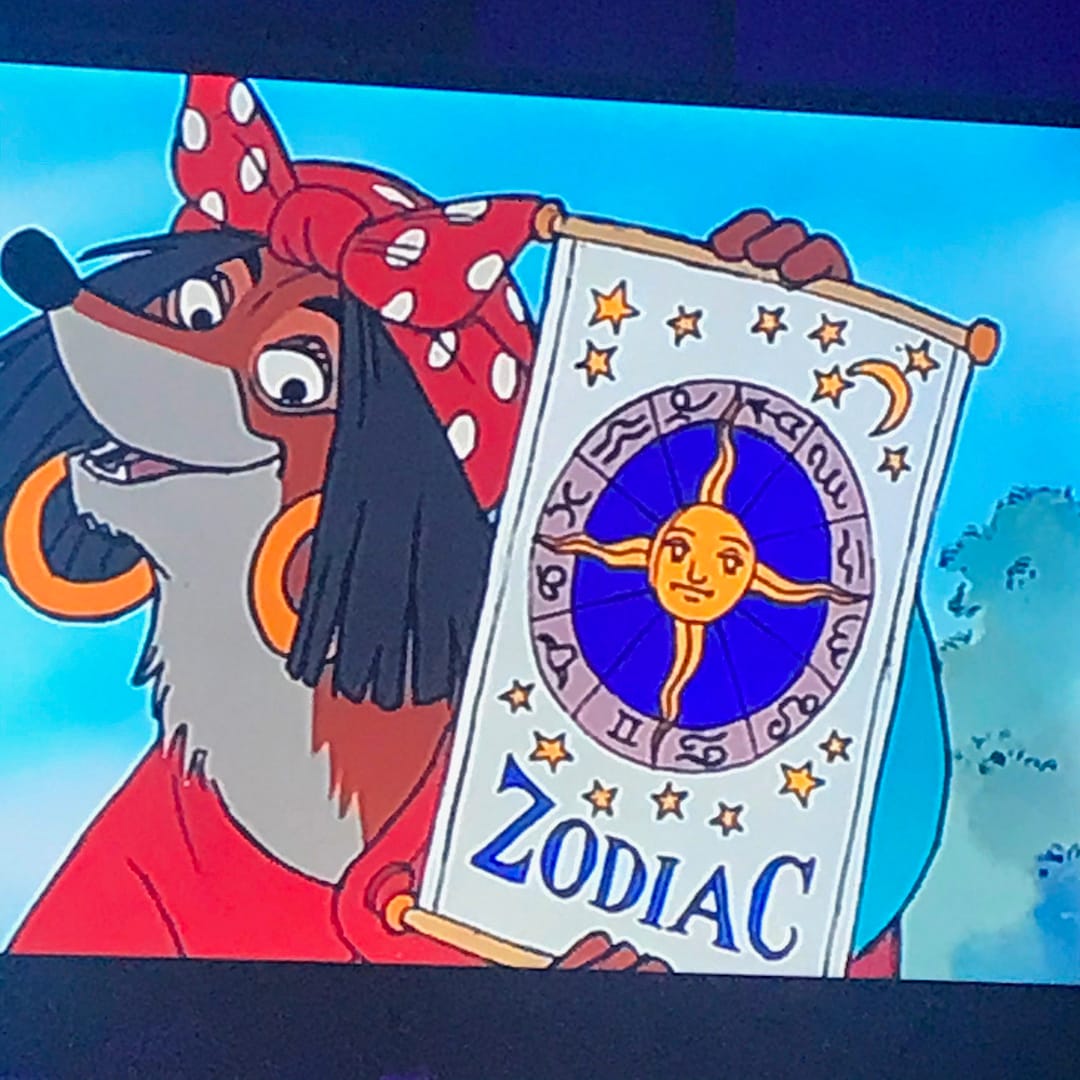
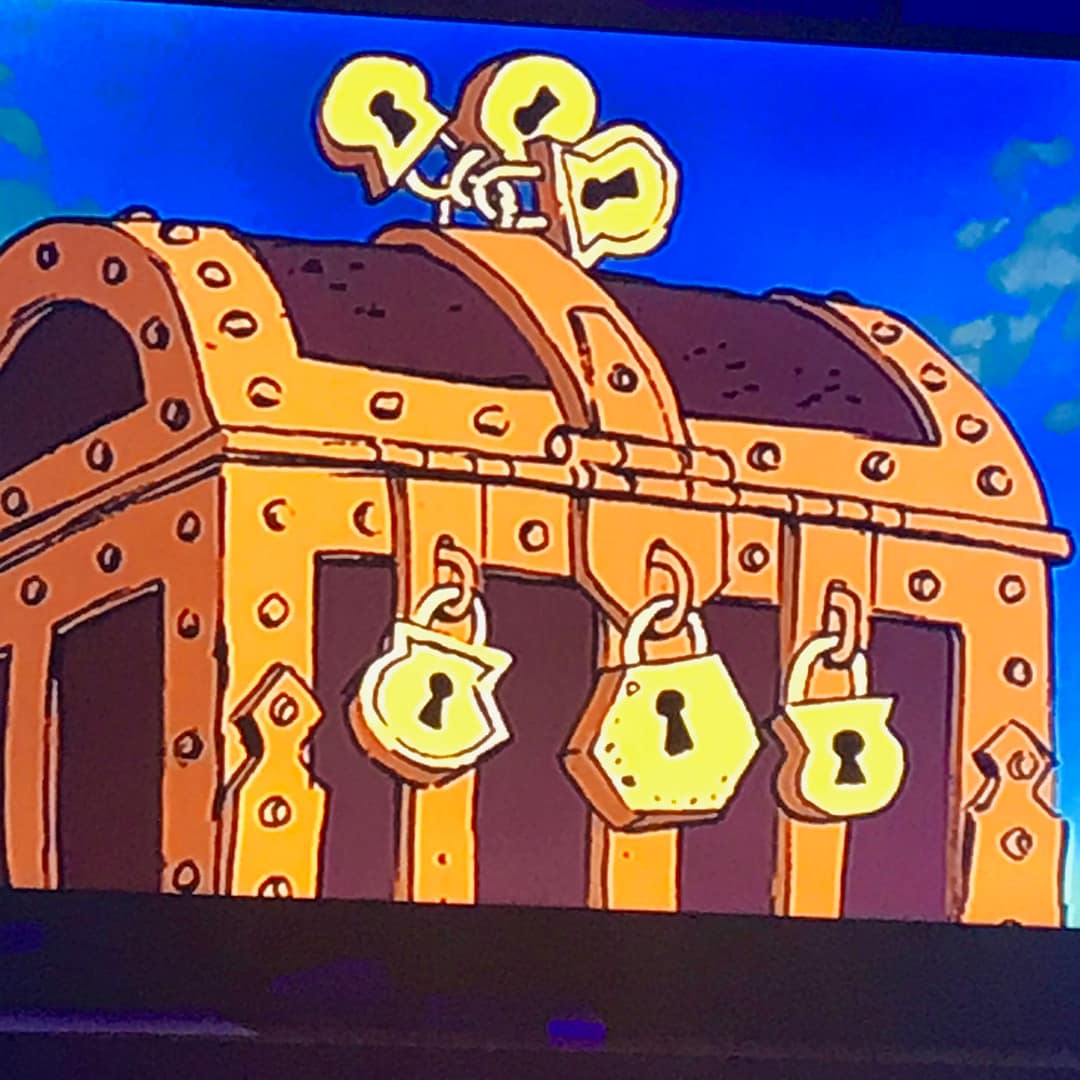
Naturally, I am as also limited by my own subjective experience. My interpretations are not definitive. There is a kind of vague agreement on the cards’ meanings among people who study the Tarot, but there are discrepancies inside each of the nuanced perspectives. The readings of the cards here are my own, but all art only exists because of what came before it. At the end of this introduction I’ll leave a list of my favorite Tarot books, podcasts, decks, and local readers.
At the end of each card, I will leave a list of my resources and influences. That being said, before each card, there will be another list of various narratives I spoil. Sometimes, it’s impossible to properly analyze a text without revealing the conclusion to plot points and character arcs.
I do not deal with reversals. In other Tarot books you’ll see people talking about whether or not it matters when you pull a card and it’s flipped upside-down. As we’re using the cards for writing, every symbol and its negative connotations (its shadow side) is automatically baked into the cake.
So let’s enter the fairy tale space, the magic Tarot space, and dive into its profound waters.
“Children believe what we tell them. They have complete faith in us. They believe that a rose plucked from a garden can plunge a family into conflict. They believe that the hands of a human beast will smoke when he slays a victim, and that this will cause him shame when a young maiden takes up residence in his home. They believe a thousand other simple things. I ask of you a little of this childlike sympathy and, to bring us luck, let me speak four truly magic words, childhood’s ‘Open Sesame’: Once upon a time…”
Jean Cocteau. La Belle et la Bête.
The Tarot For Writing Project is an online tool to inspire you to turn your readings into art.

Tarot Favorites
Books
The Book of Symbols; Reflections on Archetypal Images. Ami Ronnberg and Kathleen Martin. Taschen. (BoS)
Seventy Eight Degrees of Wisdom: A Book of Tarot. Rachel Pollack.
The Library of Esoterica: Tarot. Taschen.
The Creative Tarot. Jessa Crispin.
A Little Bit of Tarot. Cassandra Eason.
The New Mythic Tarot. Juliet Sharman-Burke and Liz Greene. Illustrated by Giovanni Caselli.
Your Path Through the Enchanted Forest. Lunaea Weatherstone.
Modern Tarot. Michelle Tea.
The Wild Unknown Tarot Guidebook; The Animal Spirit Guidebook. Kim Krans.
Decks
Rider-Waite-Smith deck.
The Enchanted Forest. Lunaea Weatherstone.
The New Mythic Tarot. Juliet Sharman-Burke and Liz Greene. Illustrated by Giovanni Caselli.
The Wild Unknown Tarot; Animal Spirit Deck. Kim Krans.
Cubist-Inspired Greek Mythology Deck. Trista Mayes.
The Spoila Deck. Jessa Crispin.
Referenced, Pictured
Robin Hood; Snow White and the Seven Dwarves; Beauty and the Beast; Alice in Wonderland; Fantasia; The Little Mermaid; Jungle Book; Peter Pan; Silly Symphonies: The Skeleton Dance. Disney.
Steven Universe. Rebecca Sugar.
The Simpsons. Matt Groening.
The Symbolic Rose. Barbara Seward.
La Belle et la Bête. Jean Cocteau.
Alvin and the Chipmunks. Ross Bagdasarian.
Kiki’s Delivery Service. Hayao Miyazaki.